[VERIFY: real Google Review quote needed]
IRS SECTION 48 · COMMERCIAL SOLAR TAX CREDIT
THE 30% TAX CREDIT
ENDS JULY 4, 2026.
Construction must begin before July 4 to qualify.
Not contracted. Not permitted. Begun.
Most commercial property owners in LA don't know that distinction.
Now you do.
Begin-construction window closes July 4, 2026 — new engagements starting today have 4–6 weeks of viable runway.
- CSLB #1088598 · C-10 Electrical Contractor
- 17 Years
- 3,300+ Projects
- Fully Licensed & Insured
- Tesla Certified Installer
- Enphase Platinum
- REC Premium Partner
- SiGEnergy Partner
- SolarEdge Certified Installer
- 30%
- Federal ITC — cash back on system cost
- July 4, 2026
- Begin-construction deadline
- 3–4 Years
- Typical commercial payback
- 17 Years
- GreeMpower in continuous operation
- CSLB #1088598
- C-10 Electrical Contractor
THE DEADLINE MOST OWNERS MISS
"CONTRACTED" DOESN'T QUALIFY.
"BEGUN" DOES.
What triggers ITC eligibility
The IRS triggers the ITC on "begin construction" — not when you sign a contract, not when you pull a permit, and not when installation is complete.
Begin construction means: physical work starts on your property, or 5% of the total system cost is incurred. Either satisfies the rule.
Why this matters: most commercial owners are waiting to "finalize the decision" before July 4. That decision needs to be made weeks earlier — because permitting, engineering, and procurement happen between the contract and the shovel.
The timeline from first call to begin-construction
WEEKS 1–3
- Site assessment
- Engineering review
- Proposal delivery
WEEKS 4–8
- Contract signed
- Permitting submitted
- Equipment ordered
WEEKS 9–17
- Permit approved
- Equipment on-site
- Construction begins → ITC triggered
We are in May 2026. A new engagement starting today
has 4–6 weeks of viable runway to reach begin-construction
status before July 4. That window is real — and it closes fast.
START YOUR ASSESSMENT NOW → THE NUMBERS
WHAT 30% BACK ON YOUR
SYSTEM ACTUALLY LOOKS LIKE.
The Investment Tax Credit isn't a rebate. It's a dollar-for-dollar reduction in federal tax liability — applied in the year your system is placed in service. On a commercial installation, that's a significant number.
50 kW entry system
- Installed cost:
- $100,000
- ITC (30%):
- -$30,000
- Net cost:
- $70,000
- Est. annual savings:
- ~$21,000/yr
- Payback:
- ~3–4 years
- 25-year NPV:
- $400,000+
250 kW mid-range system
- Installed cost:
- $500,000
- ITC (30%):
- -$150,000
- Net cost:
- $350,000
- Est. annual savings:
- ~$105,000/yr
- Payback:
- ~3–4 years
- 25-year NPV:
- $1,500,000+
Savings modeled at current SCE commercial TOU rates — conservative baseline. MACRS depreciation provides additional tax benefit on a 5-year schedule; your accountant models the exact deduction based on your tax position. If your property is in a qualifying Energy Community census tract, the ITC stacks to 40%. Your PM checks eligibility at no extra step.
WHY GREEMPOWER FOR COMMERCIAL
THE LICENSE YOUR CONTRACTOR
NEEDS. MOST DON'T HAVE IT.
Commercial solar in California requires a C-10 Electrical Contractor license from the CSLB. Not a solar-specific certification. Not a subcontractor arrangement. A direct C-10 license, held by the company doing the work.
GreeMpower holds CSLB #1088598 · C-10 Electrical Contractor. Verify it at cslb.ca.gov. Most solar shops in LA cannot say the same.
ENGINEER-DESIGNED.
NOT SALES-CONFIGURED.
Every commercial system is designed by a licensed engineer, not sized by a sales algorithm. You receive stamped drawings, load calculations, and a production model — before you commit.
ONE PM. START TO FINISH.
No salespeople. No commissions. Your project manager is your only contact from first assessment through PTO and beyond. The same person who scopes your system is the one who answers the phone five years from now.
17 YEARS. STILL HERE.
Founded 2009. 3,300+ completed projects across LA, Orange County, and Ventura County. In an industry where most installers don't survive year five, our track record is the warranty.
Ready to see if your property qualifies? → Start your eligibility review
WHAT COMMERCIAL OWNERS SAY
OWNERS WHO'VE BEEN
THROUGH IT THEMSELVES.
[VERIFY: real Google Review quote needed]
[VERIFY: real Google Review quote needed]
FINANCING OPTIONS
THREE PATHS.
YOUR PM RECOMMENDS ONE.
The right financing structure depends on your tax position, capital availability, and hold period. There's no universal answer. Your PM reviews your situation and tells you which path generates the best return for your specific property.
CASH PURCHASE
Best total ROI
You own the system. You capture the full 30% ITC and MACRS depreciation. Payback in 3–4 years. Everything after that is margin.
Best for: operators with available capital and federal tax liability to offset.
LOAN FINANCING
Positive cash flow from month one
Loan payments are typically lower than the utility savings the system generates — cash flow positive before the ITC hits your return. ITC and depreciation remain yours.
Best for: operators who want to preserve capital while still capturing the tax benefits.
POWER PURCHASE AGREEMENT
$0 capital required
You buy the power, not the system — at a rate below what the utility charges today. No upfront cost. ITC and depreciation transfer to the financing structure.
Best for: tax-exempt entities or operators who prioritize $0 capital over maximum return.
All financing paths are subject to qualification.
Your PM reviews your options at no cost — no commitment required.

COMMERCIAL INSTALLATIONS
SYSTEMS WE'VE BUILT
IN YOUR MARKET.
41 MW installed across 3,300+ projects in LA, Orange County, and Ventura County since 2009.
PROJECT PORTFOLIO
COMMERCIAL PROJECTS WE'VE
DELIVERED IN YOUR MARKET.
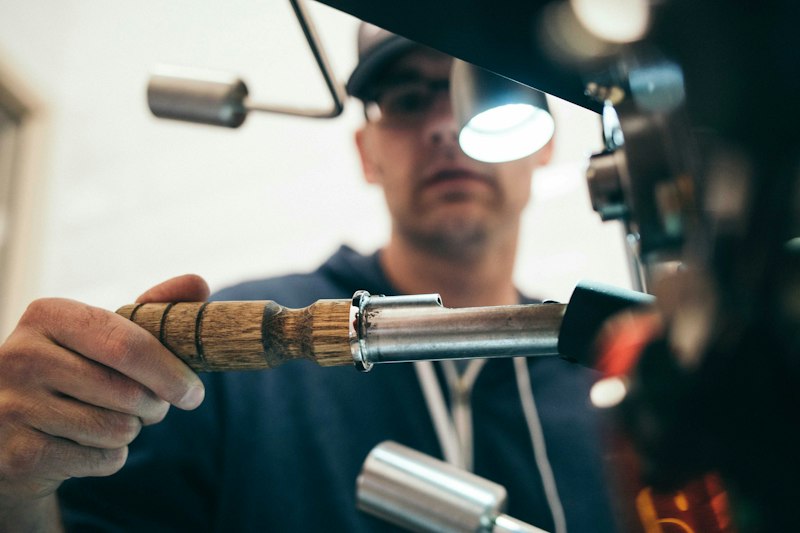
WAREHOUSE
[VERIFY: project location]

OFFICE COMPLEX
[VERIFY: project location]
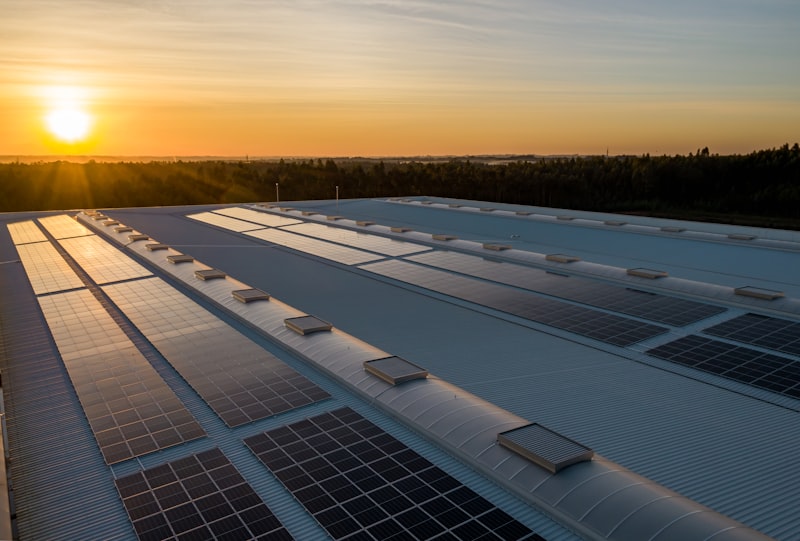
INDUSTRIAL FACILITY
[VERIFY: project location]
Case studies above are visual placeholders. Real project data swapped in pre-launch — every metric is verified before this page receives paid traffic.
COMMON QUESTIONS
WHAT COMMERCIAL OWNERS
ACTUALLY WANT TO KNOW.
Does signing a contract before July 4 satisfy the ITC deadline?
No. The IRS requires that construction physically begin — or that 5% of total project costs are incurred — before the deadline. A signed contract alone does not trigger eligibility. Physical work on-site or a qualifying cost incurrence does. This is the distinction most commercial owners miss.
What if I can't use the full 30% credit in one year?
The ITC can be carried back one year or carried forward 20 years under current tax rules. If your tax liability in the placed-in-service year is less than the full credit, the remainder doesn't disappear. Your accountant structures the application.
What does "placed in service" mean — and when does my system need to be complete?
A system is placed in service when it's operational and connected to the grid. For projects where construction begins before July 4, 2026, the IRS allows until December 31, 2027 to reach placed-in-service status — provided construction progresses continuously. Your PM tracks this timeline.
My roof may need work before solar. Does that affect the ITC?
Roof preparation directly required for solar installation can qualify as part of the system cost for ITC purposes. Your engineer assesses roof condition as part of the initial site review. If structural work is needed, it's scoped before you commit.
We have tenants. How disruptive is a commercial installation?
Phased installation schedules are standard for occupied commercial properties. Your PM coordinates directly with your property manager on sequencing, noise windows, and access. Most commercial installs complete in 3–7 days of active work, non-consecutively when tenants require it.
What is the MACRS depreciation benefit on a 2026 project?
Bonus depreciation phases to 20% in 2026 and 0% in 2027 under current TCJA schedules. Standard 5-year MACRS applies regardless. Your accountant models the exact deduction based on your placed-in-service year and tax position. We provide the cost segregation documentation they need.
Does GreeMpower handle the permitting and interconnection?
Yes. Permitting, utility interconnection application, and PTO coordination are all managed by your PM. You don't interface with the utility — we do.
What license does GreeMpower hold for commercial work?
CSLB #1088598 · C-10 Electrical Contractor. Verifiable at cslb.ca.gov. This is the license required for commercial electrical and solar work in California.
GET YOUR ITC ELIGIBILITY REVIEW
YOUR PM RUNS THE NUMBERS.
YOU DECIDE IF IT PENCILS.
No salespeople. No pressure. A project manager reviews your property, your utility bill, and your timeline — and tells you honestly whether a commercial system makes sense before July 4.
If it doesn't, we'll say so.
- Engineer-designed proposal — not a sales estimate
- ITC eligibility confirmed as part of the review
- Energy Community bonus adder checked automatically
- No commitment required to receive the assessment
Or call us directly: [PHONE]
A project manager — not a salesperson — will contact you within one business day.
Christopher · Project Manager · GreeMpower
CSLB #1088598
THE WINDOW IS CLOSING
CONSTRUCTION MUST BEGIN
BEFORE JULY 4, 2026.
Engagements starting today can still qualify.
The assessment is free. The numbers are real.